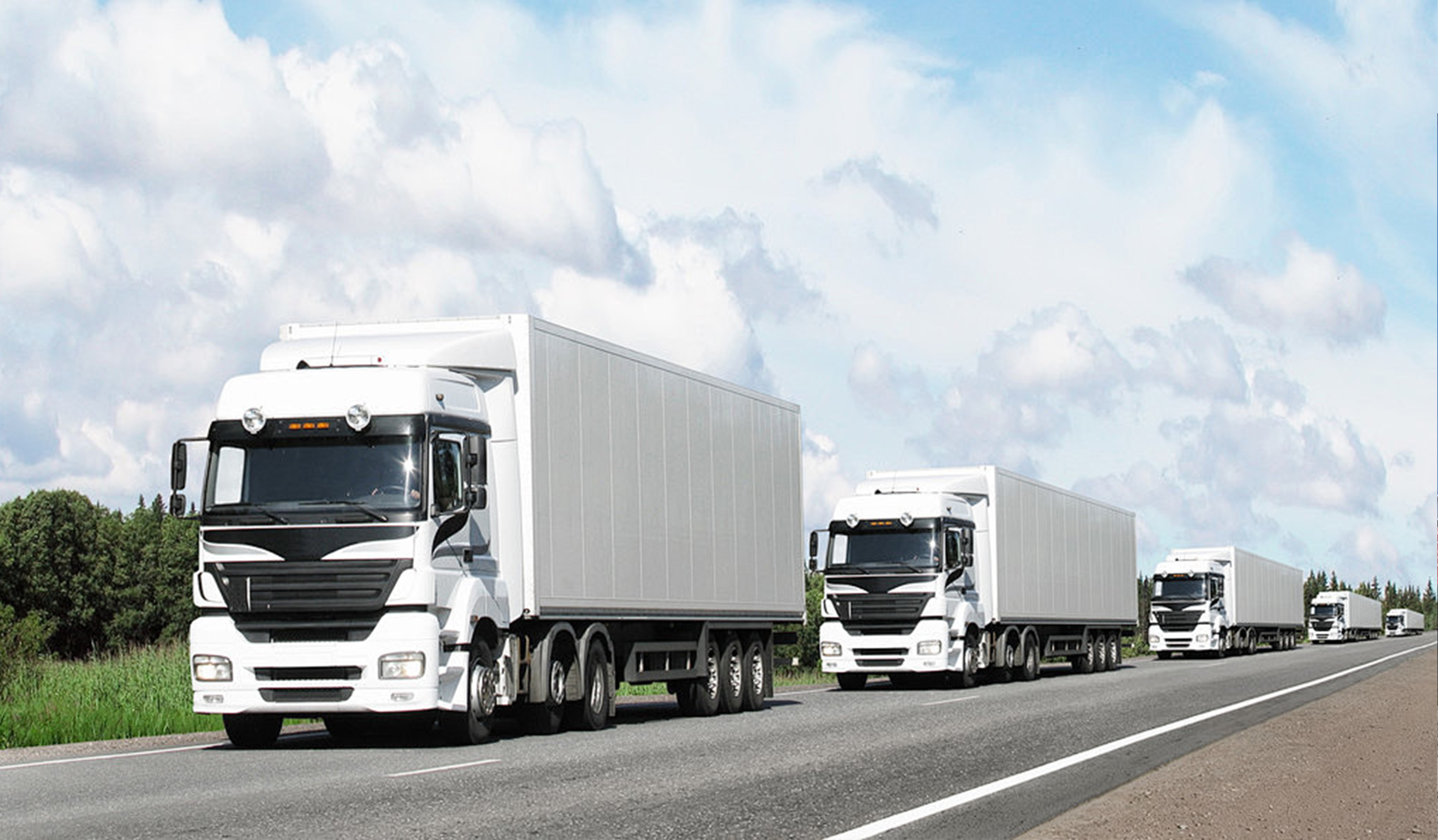
一、Promoting Regional Economic Integration
Central Asian countries, including Kazakhstan, Uzbekistan, Kyrgyzstan, Tajikistan, and Turkmenistan, are geographically adjacent but have experienced relatively weak economic ties since the dissolution of the Soviet Union due to their independent economic systems and fragmented transportation networks.The development of road transport has facilitated trade and people-to-people exchanges among Central Asian nations, promoting regional economic integration. For example, the continuous improvement of road transport networks between China and Central Asia—particularly the construction of the China-Central Asia-Europe international transport corridor—has enabled these countries to integrate more seamlessly into global supply chains. This expansion has not only broadened Central Asian export markets but also attracted foreign investment, driving structural upgrades in regional industries.Moreover, the facilitation of road transport has enhanced cross-border cooperation among Central Asian states, fostering synergistic development in energy, agriculture, manufacturing, and other sectors, thereby boosting the overall economic competitiveness of the region.
二、Improve logistics efficiency and reduce transportation costs
As one of the primary transportation modes in Central Asia, the efficiency of road transport directly impacts logistics costs and trade facilitation. Most Central Asian countries are landlocked and lack seaports, necessitating long-term reliance on road and rail transport. However, historically, due to underdeveloped road infrastructure and cumbersome customs clearance procedures, logistics costs remained persistently high, which ultimately restricted economic development.
In recent years, Central Asian countries have made significant progress in road infrastructure development and transport management. For instance, Kazakhstan has substantially reduced cargo transit times and lowered logistics costs through constructing modern highways and border crossings. Furthermore, these nations actively participate in international transport agreements like the International Road Transport Convention (TIR), which has streamlined cross-border procedures and enhanced customs clearance efficiency.These measures have collectively improved the efficiency of Central Asia's logistics systems, reduced corporate transportation expenses, enhanced product competitiveness in global markets, and thereby driven sustainable economic development in the region.
三、Promote the optimization and upgrading of the industrial structure
The development of road transportation has not only facilitated foreign trade in Central Asian countries but also driven the optimization and upgrading of domestic industrial structures.
Primary ,The improved efficiency of road transport enables faster access to international markets for resource-based commodities, boosting traditional industries like energy and mining. For instance, Kazakhstan's petroleum/natural gas and Uzbekistan's cotton are exported via road networks to China and European markets, generating substantial foreign exchange earnings.
Secondary,Enhanced logistics efficiency allows manufacturers to procure raw materials and export finished goods more competitively. Uzbekistan's automotive industry and Kazakhstan's food processing sector exemplify this trend, achieving both scaled production and quality improvement through transport infrastructure upgrades.Tourism-Driven Services: Road connectivity has catalyzed tourism by improving accessibility to the region's natural/cultural heritage sites, stimulating hospitality, retail, and ancillary service industries.
四、Employment promotion and poverty reduction
The development of highway transport has had a positive impact on employment and poverty reduction in Central Asian countries.
Firstly, the construction of highway infrastructure itself has created a significant number of job opportunities, particularly in sectors such as construction, engineering, and logistics. For example, during the construction of the "Western Europe-Western China" international transport corridor, Kazakhstan provided a large number of employment opportunities for local residents, thereby improving their income levels.
Secondly, the facilitation of highway transport has also boosted the growth of small and medium-sized enterprises (SMEs) and rural economies. Many SMEs in Central Asian countries rely on highway transport for the procurement of raw materials and the distribution of products. Improved highway transport has enabled these businesses to operate more efficiently, leading to increased employment.
Additionally, the development of highway transport has facilitated the export of agricultural products, raising farmers' incomes and accelerating poverty reduction in rural areas. For instance, agricultural products from Kyrgyzstan are exported via highways to markets such as China and Russia, generating substantial economic benefits for local farmers.
五、Enhance economic resilience
The development of highway transport has also enhanced the economic resilience of Central Asian countries. Primarily reliant on resource-based economies, these nations are vulnerable to fluctuations in international commodity prices. Improvements in highway transport have enabled Central Asian countries to better integrate into global supply chains, reduce dependence on single resources, and diversify their economies. For example, by developing its highway transport network, Kazakhstan has spurred growth in manufacturing and services, diminished its reliance on oil exports, and strengthened its economic resilience against risks.
Furthermore, the advancement of highway transport has facilitated economic collaboration between Central Asian nations and neighboring countries, bolstering regional economic stability. For instance, China’s cooperation with Central Asian countries in highway transport has not only accelerated bilateral trade growth but also promoted technology transfer and knowledge sharing, thereby enhancing these nations’ economic autonomy.
Final Summary
In summary, the development of highway transportation in Central Asia exerts multifaceted positive impacts on improving economic development in the region. By promoting regional economic integration, enhancing logistics efficiency, optimizing and upgrading the industrial structure, boosting employment and poverty reduction, and strengthening economic resilience, highway transportation breathes new life into the economic growth of Central Asian countries. Looking ahead, with the deepening advancement of the Belt and Road Initiative, the development potential of Central Asian nations in highway transportation will be further unleashed, providing more robust support for the sustainable development of the regional economy.